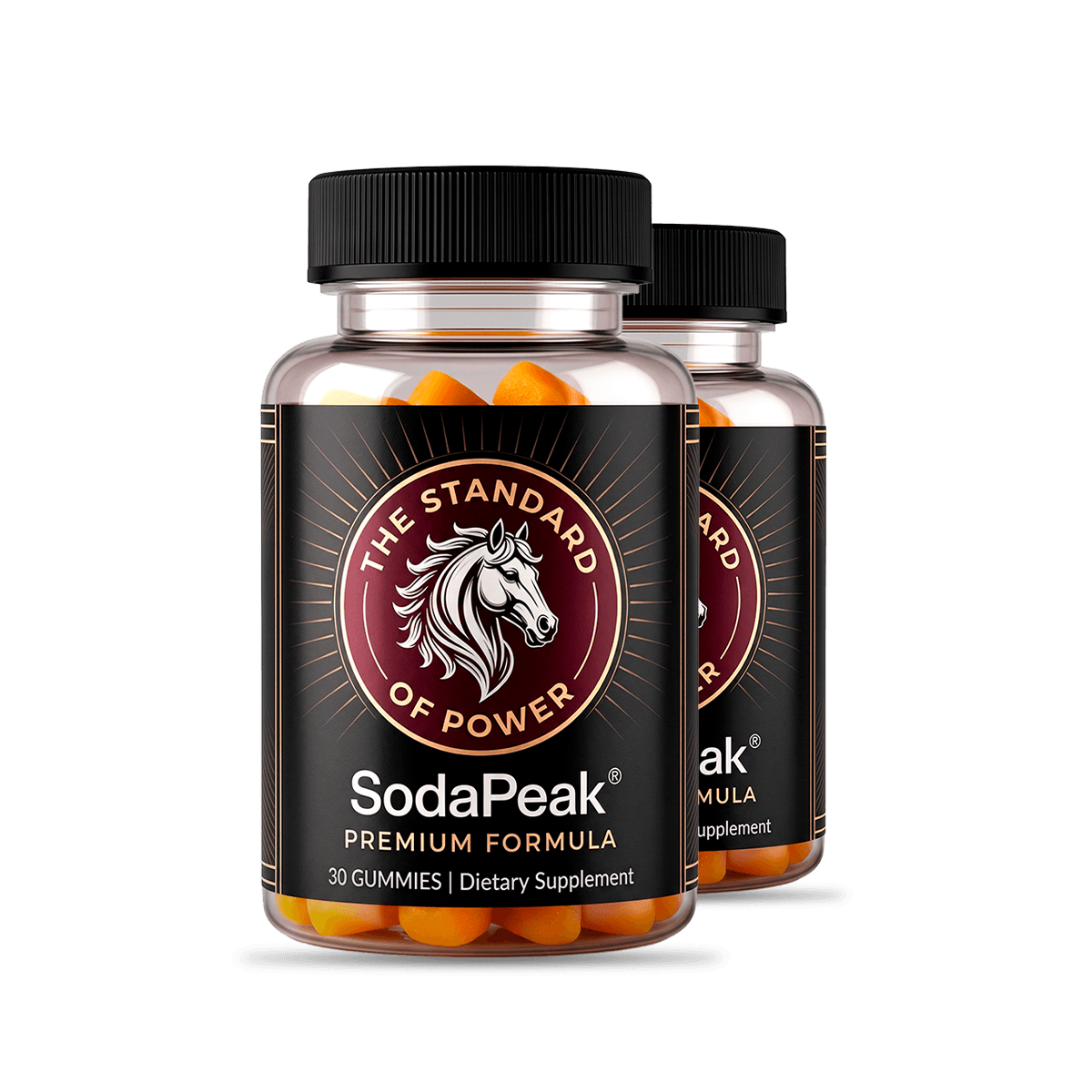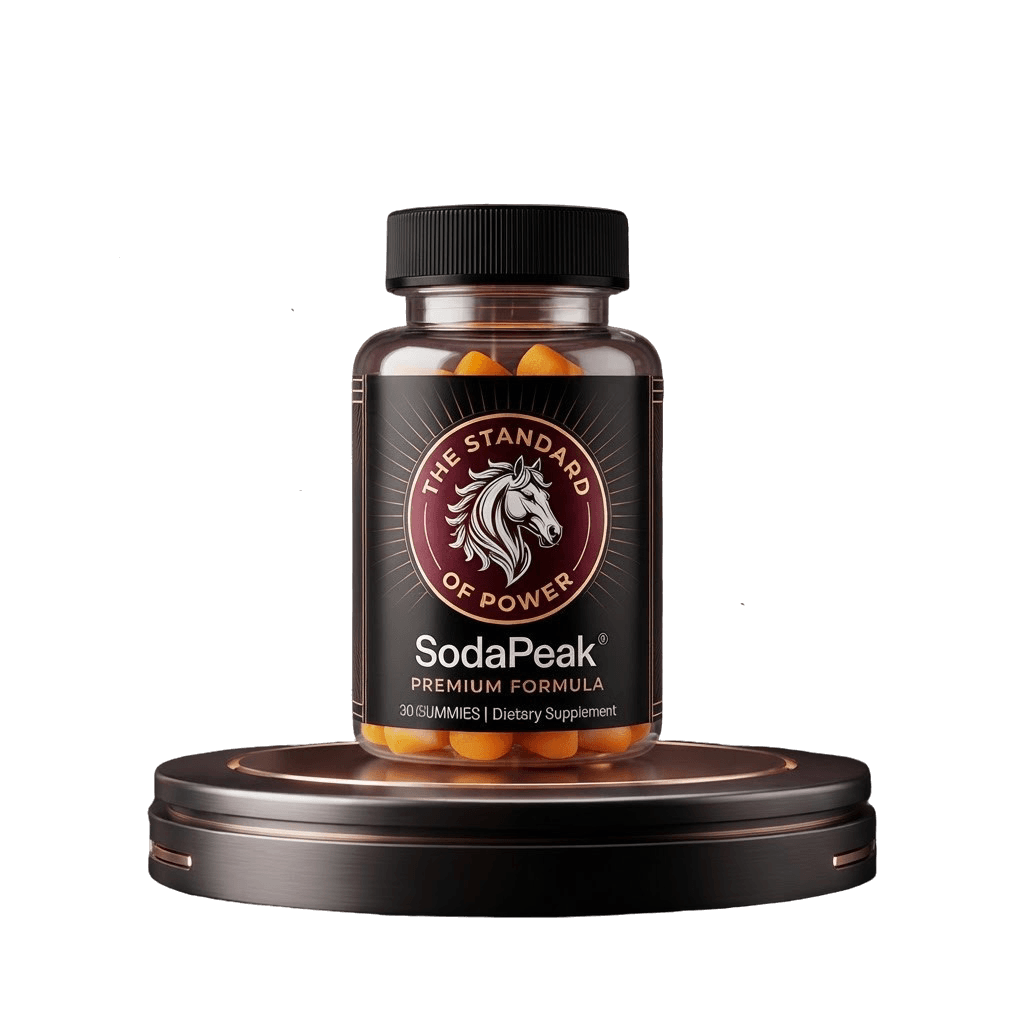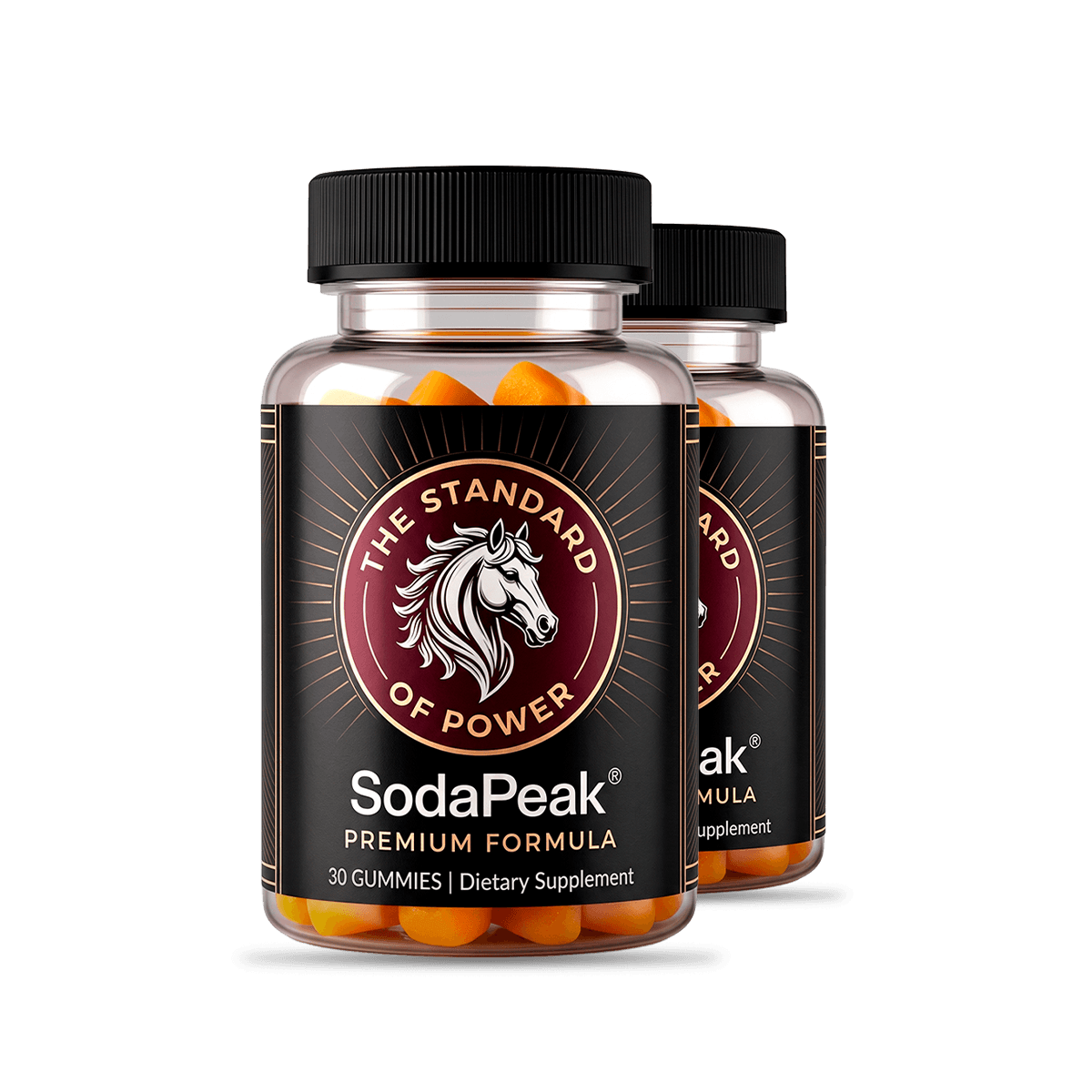
Walk down the men's wellness aisle, online or in a store, and you'll find dozens of products promising similar things: more energy, better stress resilience, renewed vitality. Most lean on a handful of the same herbs — Tongkat Ali, Maca Root, Ashwagandha — but very few explain, plainly, what those herbs are actually shown to do. That gap is where SodaPeak starts.
Why These Three Herbs, Specifically
Tongkat Ali, Maca Root, and Ashwagandha share a long history of traditional use in different parts of the world, but they've also each been the subject of modern clinical research — with meaningfully different results. That distinction rarely survives contact with marketing copy, where all three tend to get flattened into the same vague promise of "vitality." We think that flattening does men a disservice, because it hides real information they'd probably want to know before taking something daily.
So instead of one blended claim, SodaPeak's ingredient section (just below) grades each herb on its own evidence — separately, and honestly, including where the science doesn't cooperate with the marketing.
Ashwagandha: The Strongest Case of the Three
Of the three named herbs, Ashwagandha has the most consistent clinical support — primarily around stress and cortisol regulation. Multiple randomized trials associate it with measurable reductions in perceived stress, and some studies in stressed men have also observed improvements in testosterone and self-reported sexual wellness measures. That's a meaningfully different evidence profile than Maca's, and it's why we don't grade the two the same way.
But stronger evidence doesn't mean fewer cautions. Ashwagandha has documented effects on thyroid hormone levels, and it isn't recommended for men with prostate cancer or other hormone-sensitive conditions, nor during pregnancy or breastfeeding. We'd rather state that clearly here than let a good evidence profile paper over a real caution.
Tongkat Ali: Real, But Narrower Than It's Often Sold
Tongkat Ali's evidence for erectile function is genuine, but it's also narrower than most marketing suggests. Meta-analyses show the effect is modest overall and concentrated mainly in men who start with lower baseline function — it isn't a universal, guaranteed effect for every man who takes it, and it isn't a treatment for diagnosed erectile dysfunction.
It also carries a caution that's easy to leave out of a product page: NIH's LiverTox database documents rare published case reports of acute liver injury associated with Tongkat Ali use. Rare doesn't mean irrelevant — anyone with existing liver disease should treat that as a real reason to talk to a doctor first, not a footnote to skip past.
Maca Root: Useful Context, Not a Testosterone Story
Maca Root is probably the most over-claimed of the three. A systematic review of randomized controlled trials specifically looking at Maca's effect on testosterone and other reproductive hormones found no significant change. If a product tells you Maca "boosts testosterone," that claim isn't supported by the review-level evidence — and we're not going to repeat it here just because it's a common line elsewhere.
That said, Maca's traditional use around libido and general vitality is a separate question from testosterone specifically, and the libido-related evidence is more mixed — some studies show modest self-reported improvements, others don't. "Mixed" is the honest word for it, not "proven."
What This Means for How You Should Read Any Claim Here
None of this is meant to talk you out of trying a wellness gummy — it's meant to help you read this page, and any other supplement page, with the right expectations. When you see "may support," that phrasing is deliberate: it reflects real but limited evidence, not a guarantee. When you see a safety caution called out in a terracotta-colored box, that's deliberate too — it means don't skip that part.
A daily wellness gummy is one small input in a much bigger picture that includes sleep, training, diet, and stress management. The herbs in SodaPeak have real, if uneven, research behind them — and treating that unevenness honestly is, in our view, more useful to you than a cleaner-sounding but less accurate pitch.